

“John Farr. Follow Me.”
On May 20, 1991, Christy and I left Des Moines and drove north. We were headed to Minneapolis, about four hours away, to spend the night at my mother Betty’s house. The next morning, Christy would drive me the rest of the way to Duluth.
The day before we left, I packed a suitcase with books. I was studying for my MBA, and I liked reading history, so I called ahead to ask if I could bring them. I was told I could.
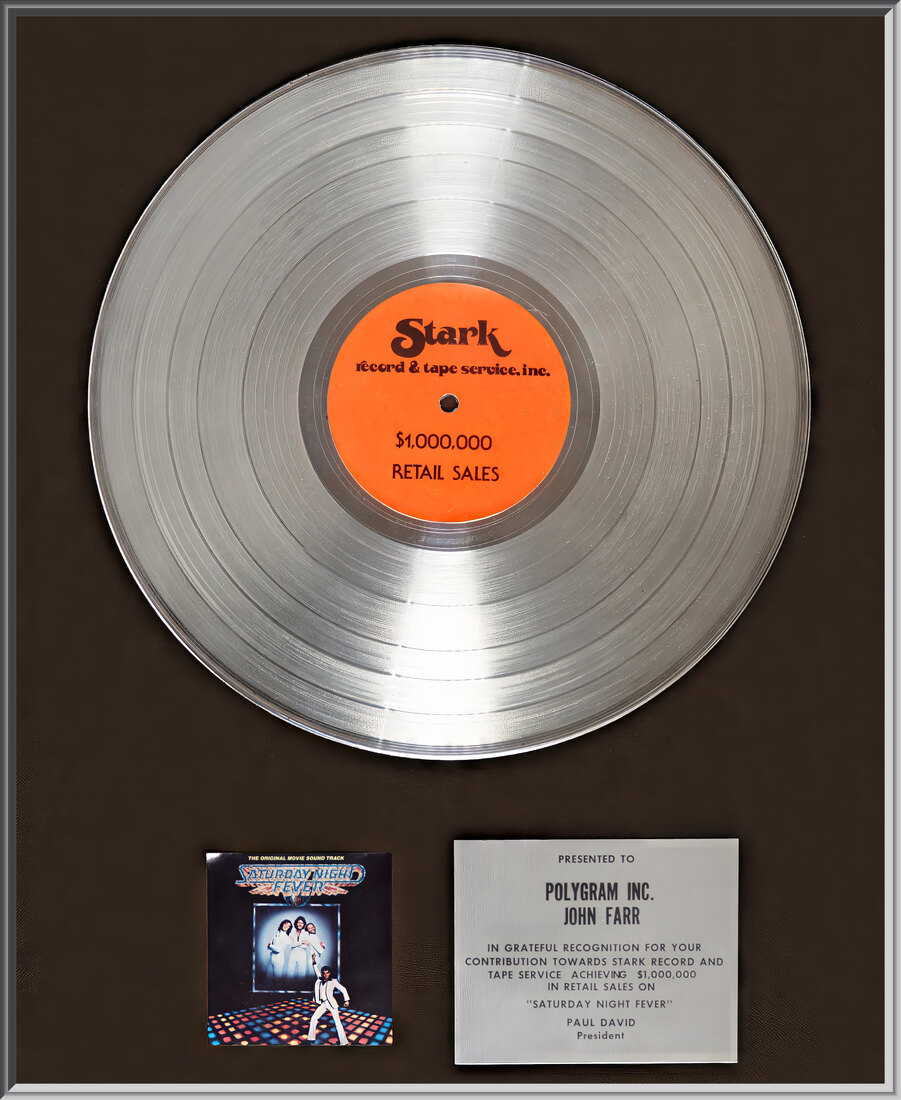
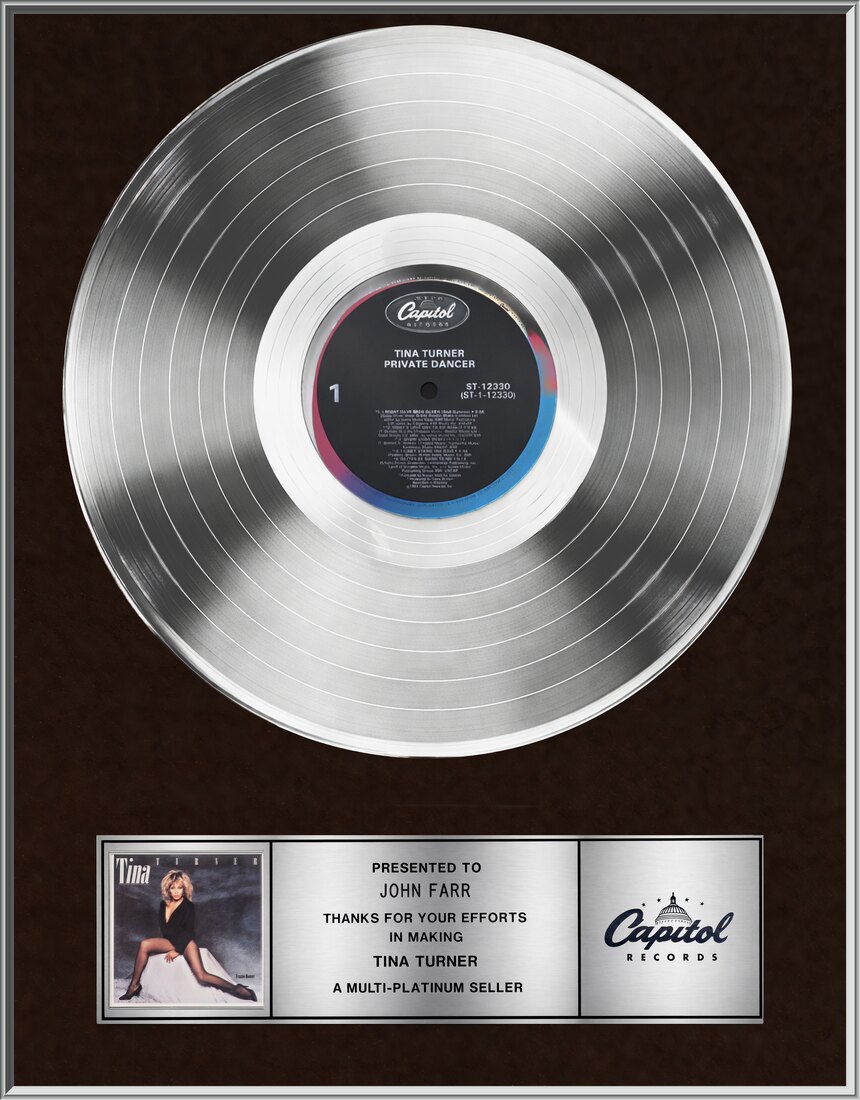
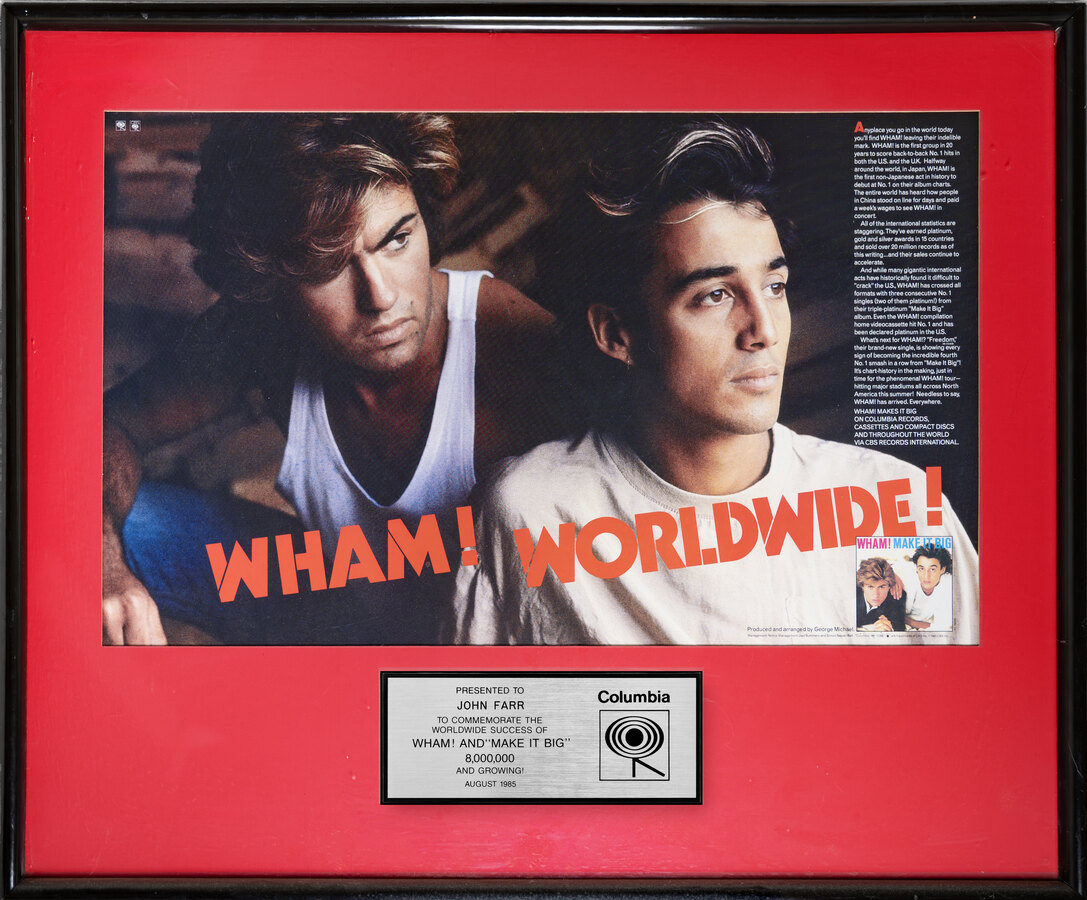
I was going to prison to turn myself in. I was guilty, and there’s no point in dancing around that. I had done something incredibly stupid, and it destroyed my career in the music industry. I’d sold millions of records and worked with hundreds of celebrities. I’d made more money than I ever imagined I would back when I was a kid growing up in Roseville, Minnesota. Now I was headed to a federal prison camp, what some people called “Camp Fed.”
There had been months between the conviction, the sentencing, and the date I had to surrender, so Christy and I both knew this day was coming. I told her I could be gone as long as a year and a half, and she stayed committed to me anyway.
Christy was my best friend, no question about it. I had friends I grew up with, went to school with, and worked with, but nobody was like Christy. To me, a best friend is somebody who doesn’t judge you for everything you do, and she didn’t. She also knew when I needed support. She wouldn’t say anything. She’d just reach over and touch my hand.
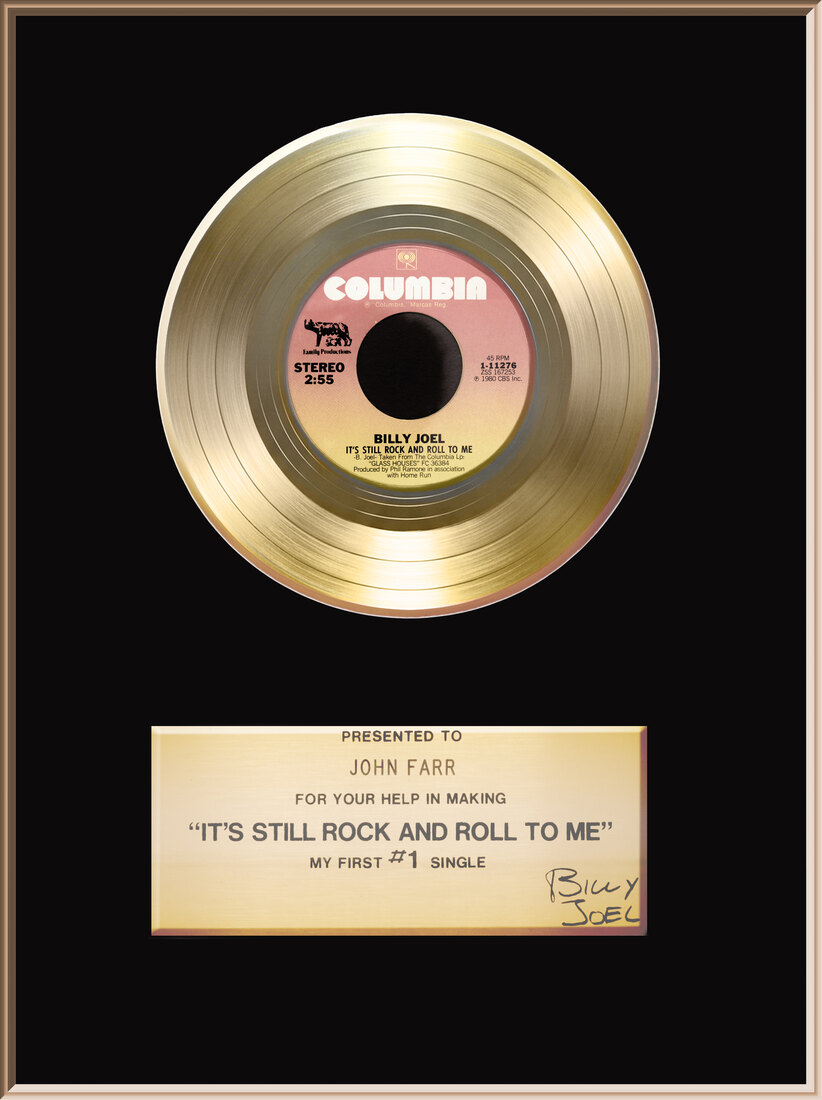
On the morning of May 21, we left my mother’s house and headed for Duluth. The route took us through Roseville, where I grew up and spent my teenage years. That was home long before the record companies, the gold records, the corporate offices, and the expense accounts.
The federal prison camp was near Hermantown, a suburb of Duluth. As we got closer, we started seeing the same brown signs you see when you’re approaching a national park. It was a nice area, with trees and good-sized houses. People were mowing their yards and walking their dogs. About two miles from the camp, we stopped for gas. Christy had a long drive back, and I didn’t want her having to stop for gas on her own.
The entrance wasn’t what I’d pictured a prison entrance would look like. There was no regular prison gate, just an electronic arm to stop the car and a television screen where you checked in with an officer.
We pulled up, and an officer came on the screen. He was all business.
“Why are you here?”
“To self-surrender.”
I gave him my name and my driver’s license information, and we waited. When his voice came back, it was polite but flat.
“After the bar rises, turn left. Drive to the administration building.”
The arm went up, and Christy drove us in.
We parked, got out, and walked into the administration building. I had my suitcase in one hand and Christy’s hand in the other.
The lobby looked professional, with an officer sitting behind bulletproof glass. He told me the suitcase and the books weren’t allowed. Christy would have to take them back with her.
“Someone will be with you soon.”
Christy and I waited, holding onto each other. I had no idea how long “soon” would be. It turned out to be right away.
A guard came around from a back office.
“John Farr. Follow me.”